 02
0210 min
Defending the Star: The 5-Layer Playoff Defense
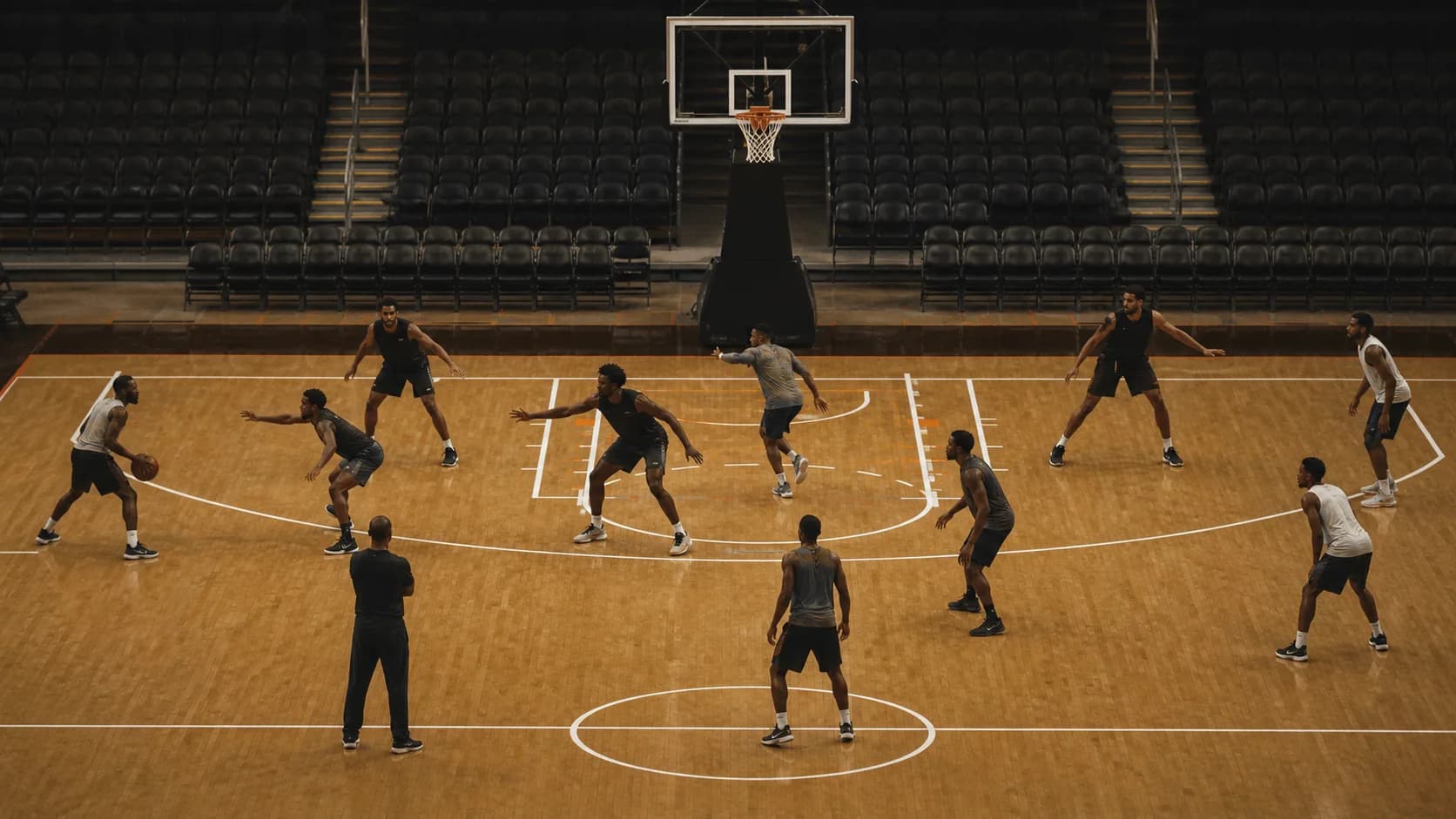
Every playoff series with a high-volume scorer comes down to the same five-layer scheme. Here's the architecture defenses use, and what each layer is built to absorb.
Read analysisProtect the next action
Study closeouts, shell positioning, rim protection, transition matchups, and the rotation behind the rotation.
Start here · Latest brief
Category archive
10 more
02Every playoff series with a high-volume scorer comes down to the same five-layer scheme. Here's the architecture defenses use, and what each layer is built to absorb.
Read analysis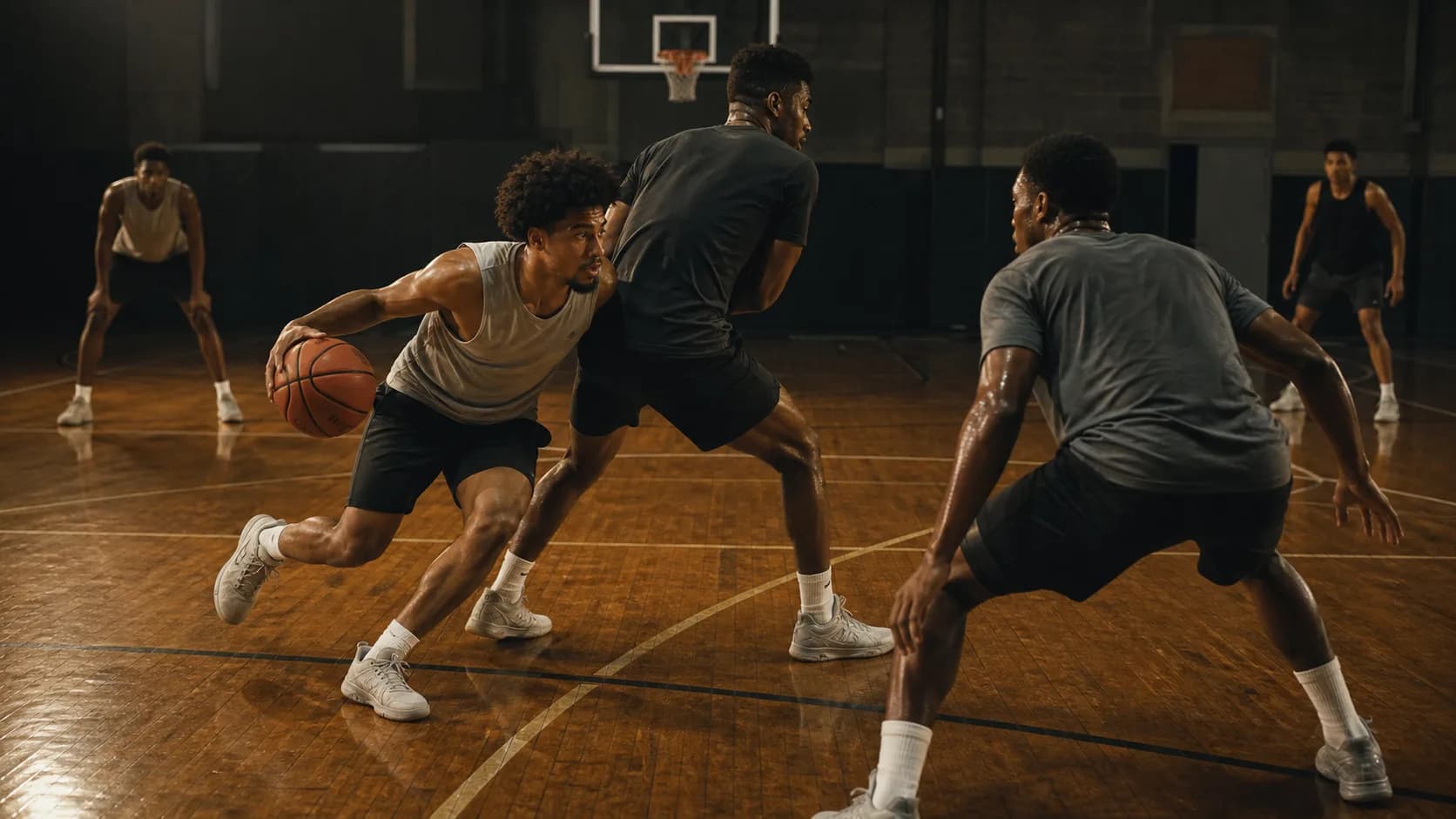 03
03Drop coverage works in November. By Game 4 of a Conference Finals, the math changes, and the best defensive coaches know exactly when to switch.
Read analysis04The single biggest schematic shift of the last decade isn't switching or zone, it's the quiet rule that says: if the ball goes middle, we lose. Here's how no-middle defense actually works.
Read analysis 05
05The closeout is the most-repeated and most-botched action in basketball. Here's the footwork, hand position, and judgment that separates real defenders from track athletes.
Read analysis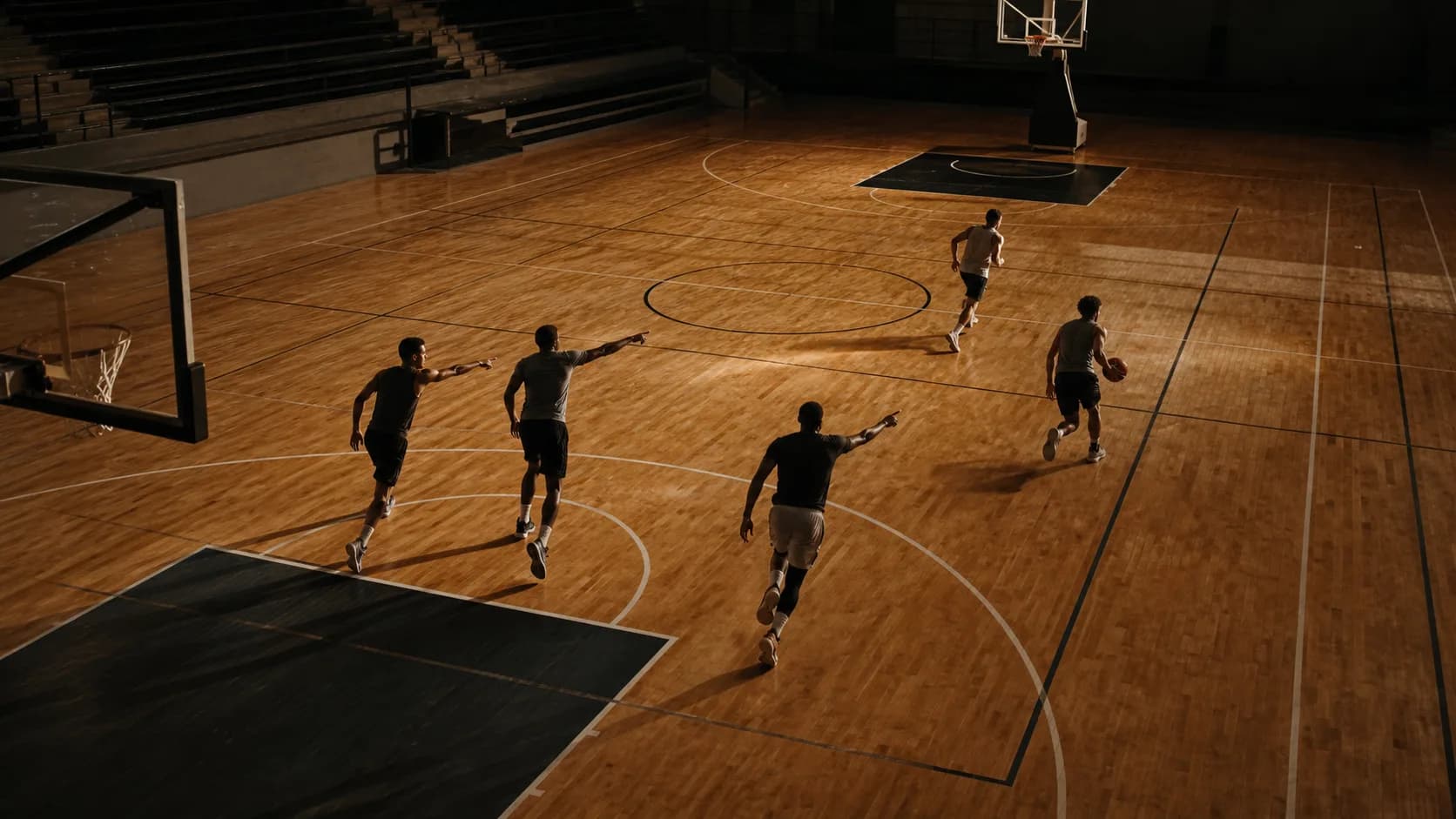 06
06Most teams lose four to six points a game in transition. The fix is not running harder, it is the first five seconds, the cross-match rules, and the verbal calls every NBA defender makes before the ball crosses half-court.
Read analysis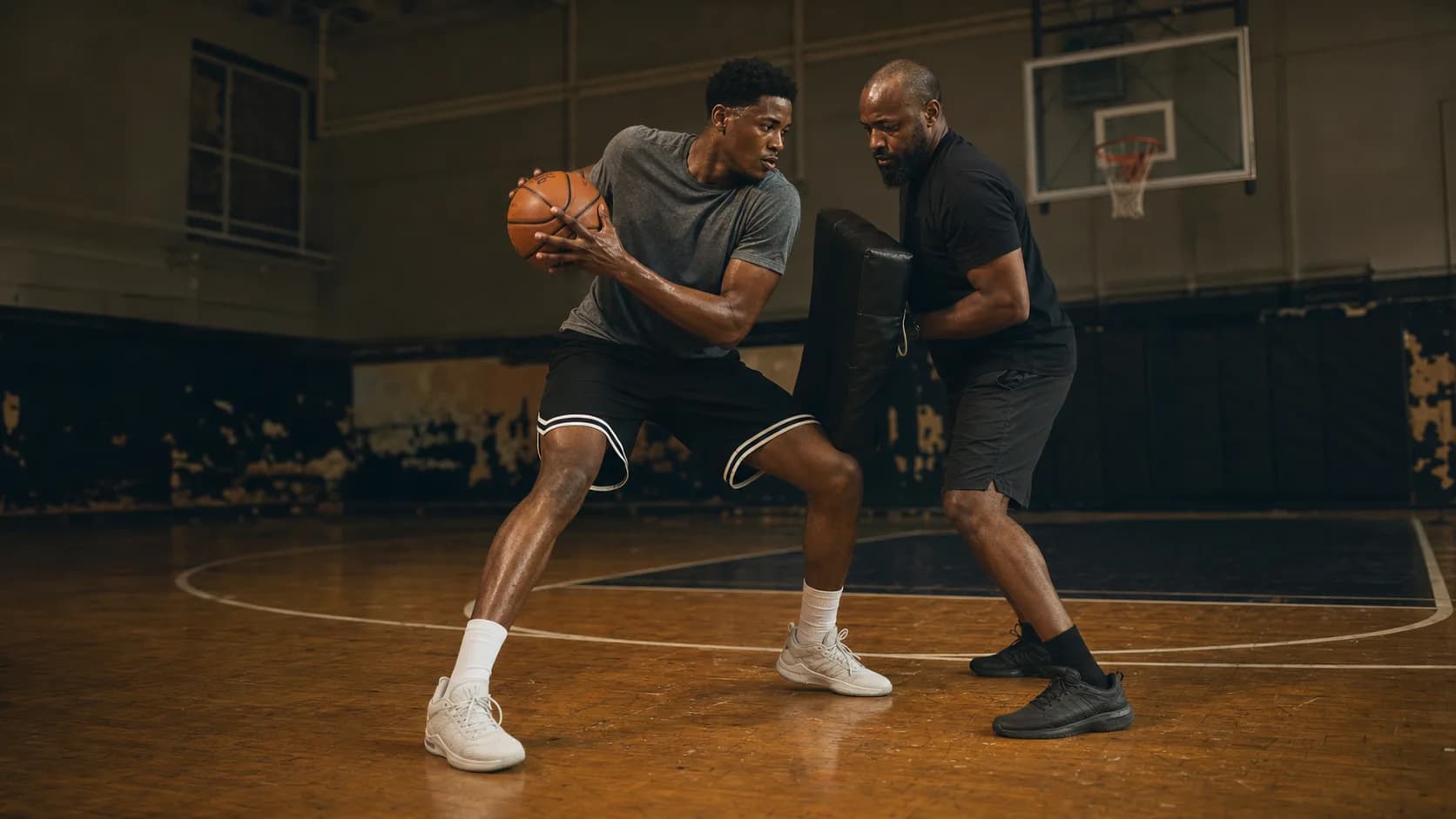 07
07Post defense is decided before the catch. Here's the pre-catch positioning, the fronting math, and the lower-body work that holds bigger players out of their spots.
Read analysis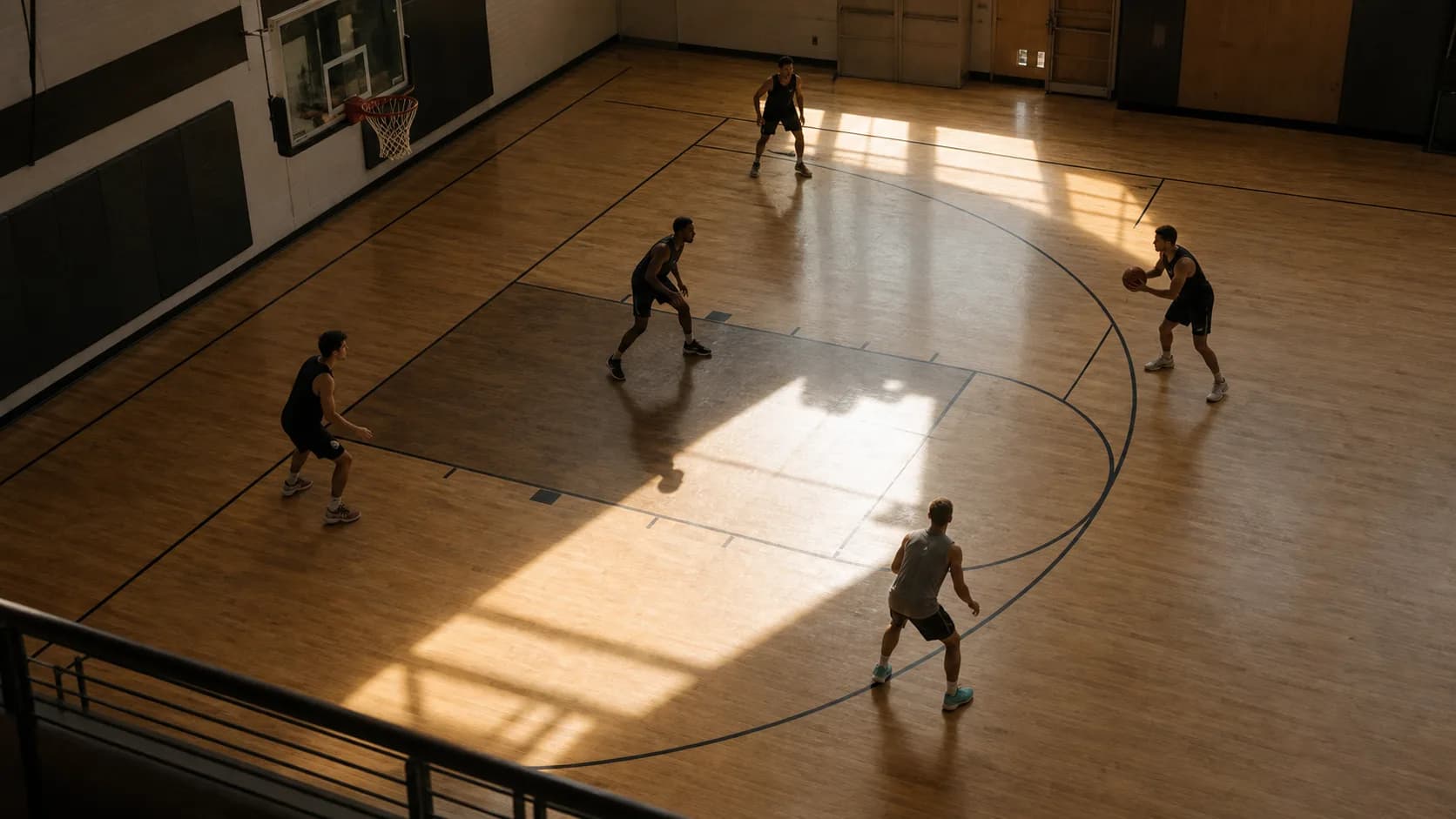 08
08On-ball defense is a set of fundamentals you can learn: a low stance, the right cushion, a disciplined top-foot, and a contest that does not foul. Here is the step-by-step for guarding a ball handler.
Read analysis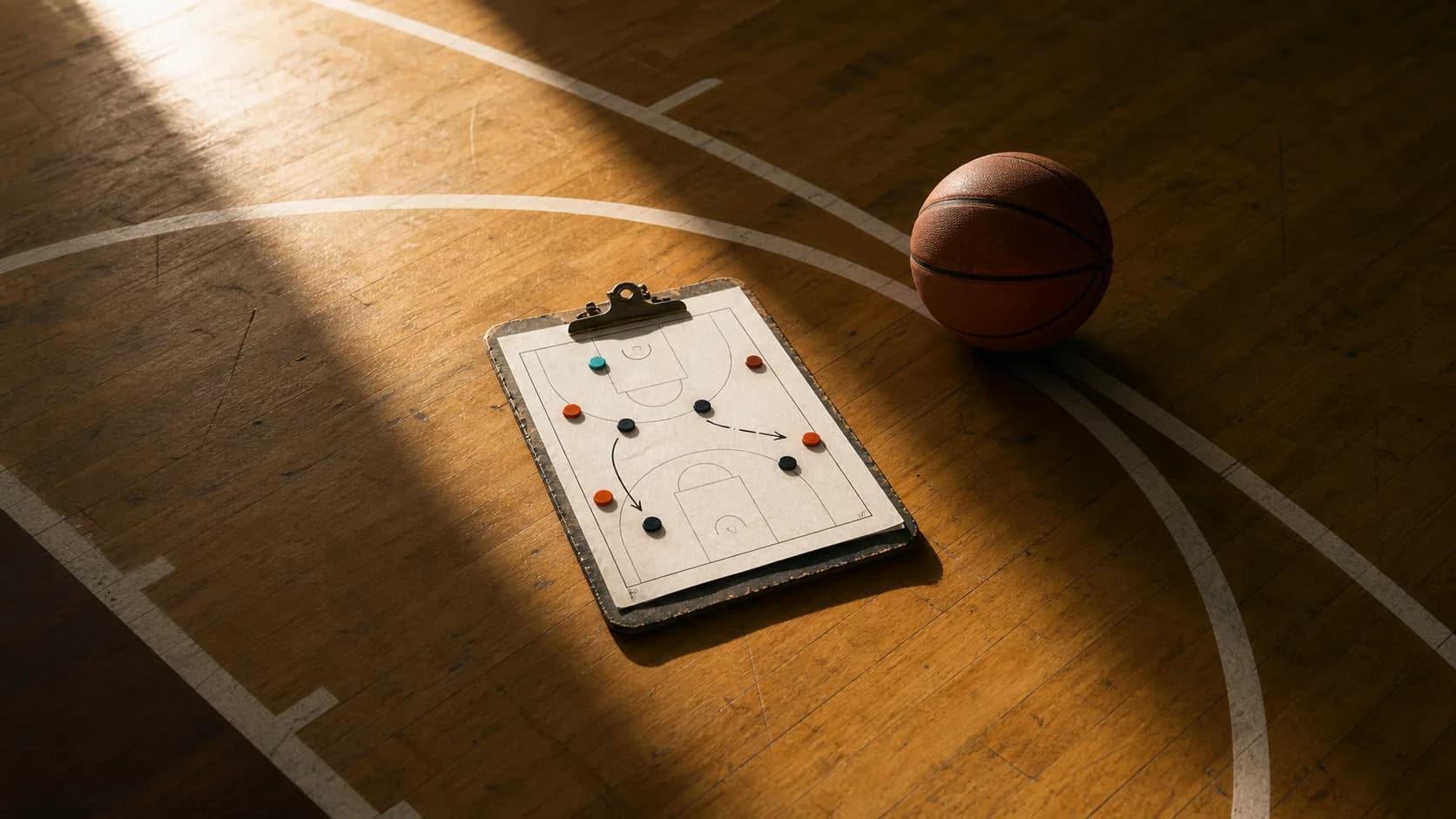 09
09Every foul is a missed defensive opportunity. Here's the verticality, hand position, and judgment that separate disciplined defenders from charity-stripe regulars.
Read analysis10You will not win a footrace, so change the race. Here is how to use a cushion, force the ball to one hand, angle him into help, and take the straight line to the rim away.
Read analysis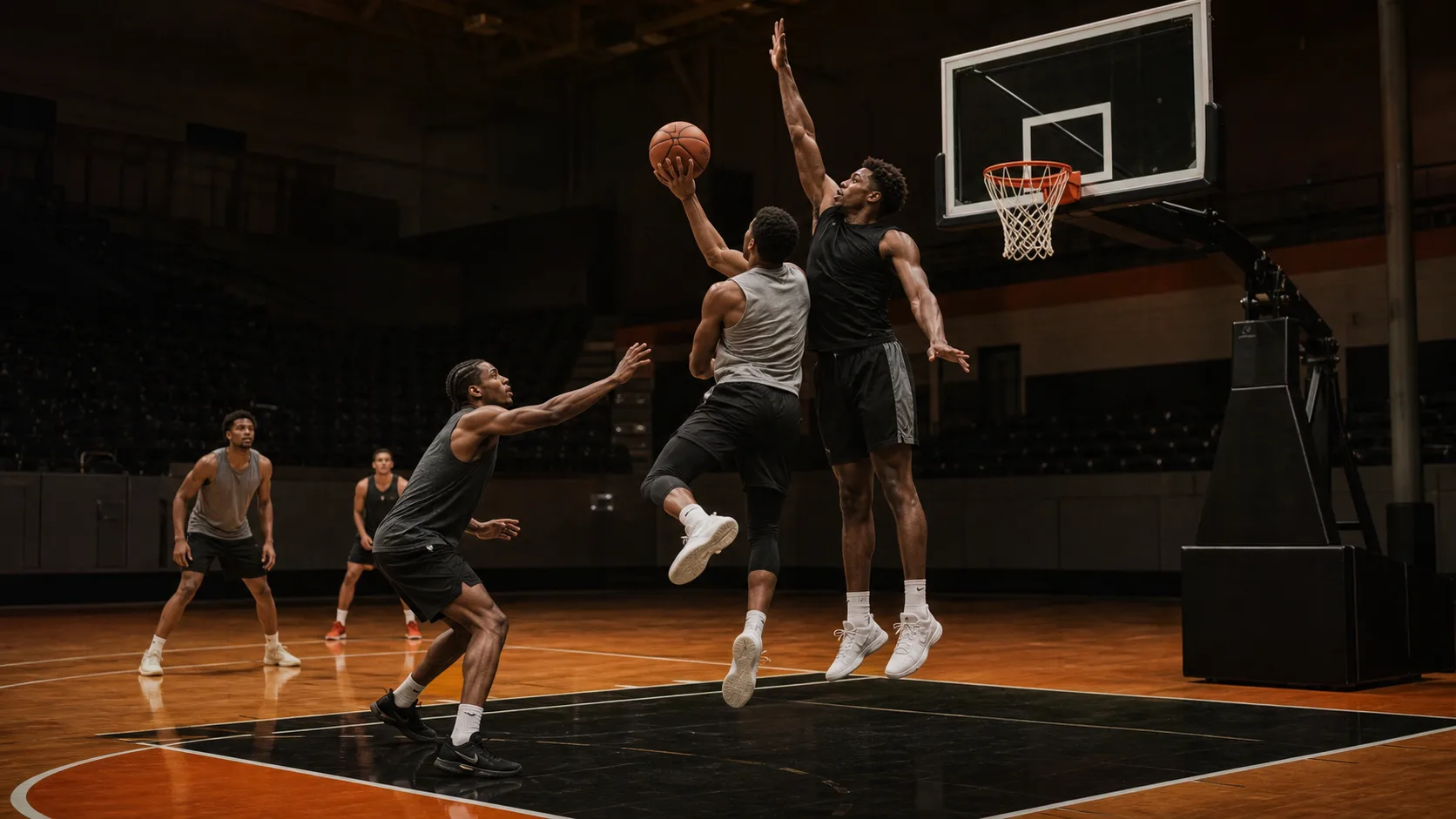 11
11You cannot out-size a bigger player, so you out-position him. Here is how to front the post, hold a 3/4 position, beat him to the spot, and time the dig before he can score.
Read analysis