How to Guard
How to guard anyone on the floor
Updated September 2026
Good on-ball defense is about making the offense take one extra decision: contest the catch, force the ball away from its comfort zone, and avoid the foul. You don't have to block the shot, you have to make the possession harder than the offense wants.
That changes by matchup. Guarding a bigger player is about angle and absorbing contact with your chest; guarding a faster player is about cushion and steering; guarding a shooter is about navigating screens and closing out short and high. This guide covers each situation, plus pick-and-roll coverages and help-defense reads, and you can run any matchup as a live question on HoopBrief.
The core principles
Start lower than feels natural, give ground before contact instead of after it, and keep your hands back, reaching is where most fouls come from. Your job is to influence the catch and the first move, not to gamble for the steal.
Take away the middle. Steering a driver toward the baseline or into help is the single highest-value habit in modern defense, and it's the foundation of most NBA schemes.
Guarding bigger, faster, and stronger
Against a bigger player, play lower with your chest angled to take away the middle, absorb the catch with your body, and push the catch a step farther from the rim. Against a faster player, give a cushion, stay attached to the hip, and beat them to the spot rather than racing them. Against a shooter, navigate screens early, get skinny over the top and close out short and high so you contest without flying by.
The pick-and-roll is its own skill: know whether you're going over, under, switching, or icing, and communicate it before the screen arrives.
Help defense and team coverage
On-ball defense is only half of it. Knowing when to leave your man, how far to help off a weak-side shooter, and when to recover is what separates a good individual defender from a good team defender.
Reading the strong side, loading to the ball, and being on time to the next rotation are the team reads coaches grade hardest.
Closeouts and contests without fouling
Most fouls happen on the closeout and the contest, not on the drive. Close out short and high with choppy steps so you can change direction, and contest straight up with a vertical hand instead of swiping down at the shot.
If the shooter pump-fakes, stay down and slide rather than jumping. A late, grounded contest beats a blocked shot that sends them to the line. The habit that saves the most points is simply keeping your hands back.
Defense is a conditioning skill
Good positioning collapses when you are tired. Late closeouts, reaching, and standing up out of your stance are usually fatigue, not effort. Defenders who can hold a low base for a full possession give up far fewer easy points.
Train it on purpose: multiple-effort drills, guarding two or three actions in a row, and finishing every rep with a box-out. Late-clock defense is where games are decided, and it is the most trainable habit on this list.
6 rules for guarding anyone
- 1
Play lower than feels natural
A lower base lets you change direction and absorb contact without fouling.
- 2
Give ground before contact, not after
Beat the driver to the spot early instead of recovering late and reaching.
- 3
Take away the middle
Steer drives baseline or into help. It's the backbone of modern defense.
- 4
Keep your hands back
Contest vertically. Most fouls come from reaching across the body.
- 5
Navigate screens early
Get skinny over the top and beat the ball to the next spot.
- 6
Be on time to the help
Know when to leave your man and when to recover, and communicate it.
Try a defensive matchup live
Tap a question to get a structured guard plan, positioning, what to take away, and the mistake to avoid.
Go deeper
- How to improve your basketball defense
- How to defend without fouling
- How to close out in basketball
- How to guard a shooter coming off screens
- Defending the post-up: footwork and angles
- How to read help defense on the wing
- The no-middle rule in modern NBA defense
- Pick-and-roll coverages explained: drop, switch, blitz, ice
How to guard a popular player
Pick a featured player for a data-backed scouting report: shot profile, tendencies, and a coverage plan built from this season's data.
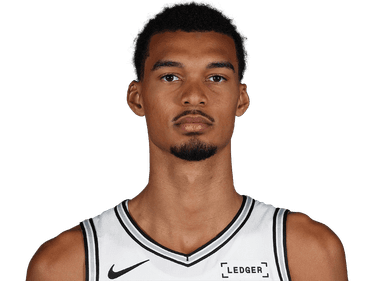
Center
Victor Wembanyama
Guard plan
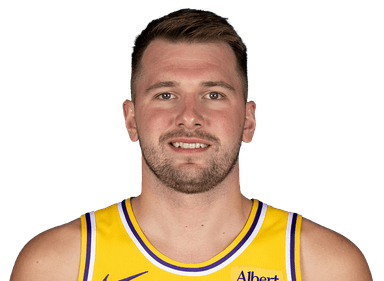
Guard
Luka Dončić
Guard plan
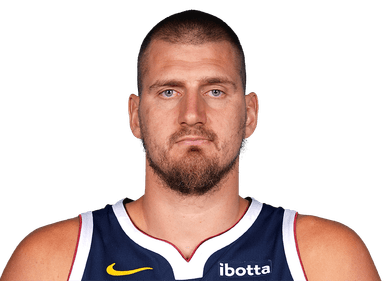
Center
Nikola Jokic
Guard plan
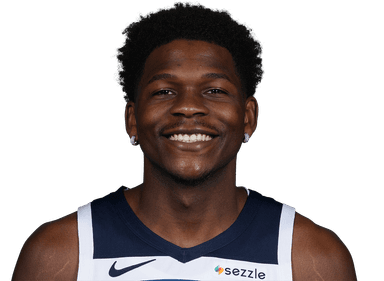
Guard
Anthony Edwards
Guard plan
Wing
Jayson Tatum
Guard plan
Forward
LeBron James
Guard plan
Forward
Giannis Antetokounmpo
Guard plan
Guard
Stephen Curry
Guard plan
Forward
Kevin Durant
Guard plan
Center
Joel Embiid
Guard plan
Guard
Ja Morant
Guard plan
Forward
Zion Williamson
Guard plan
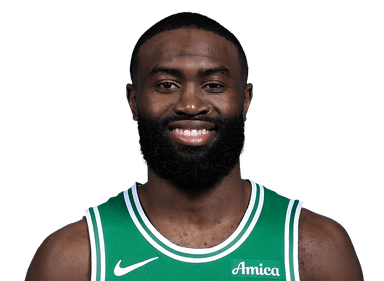
Wing
Jaylen Brown
Guard plan
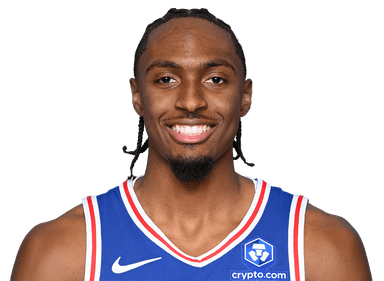
Guard
Tyrese Maxey
Guard plan
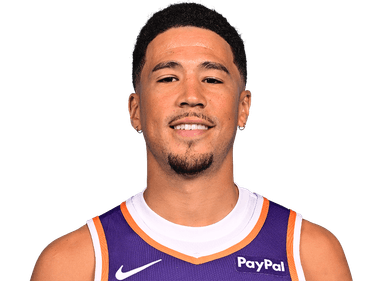
Guard
Devin Booker
Guard plan
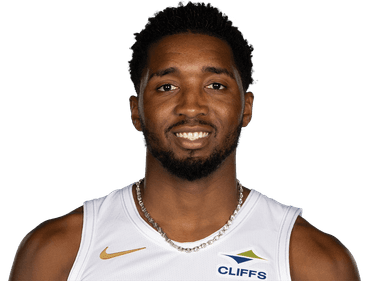
Guard
Donovan Mitchell
Guard plan
Forward
Kawhi Leonard
Guard plan
Guard
LaMelo Ball
Guard plan
Guard
Cade Cunningham
Guard plan
Forward
Paolo Banchero
Guard plan
Guard
De'Aaron Fox
Guard plan
Center
Bam Adebayo
Guard plan
Guard
Jalen Brunson
Guard plan
Center
Anthony Davis
Guard plan
Wing
Paul George
Guard plan
Guard
Jamal Murray
Guard plan
Center
Karl-Anthony Towns
Guard plan
Center
Alperen Sengun
Guard plan
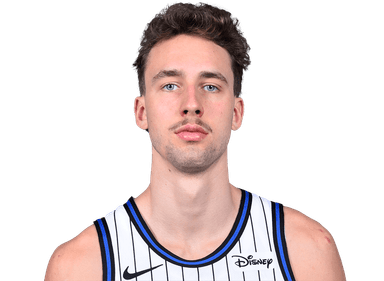
Wing
Franz Wagner
Guard plan
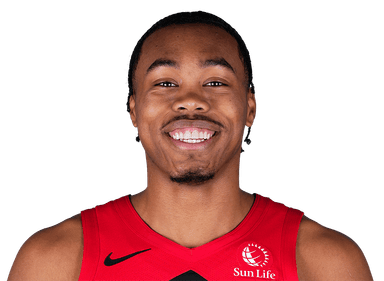
Forward
Scottie Barnes
Guard plan
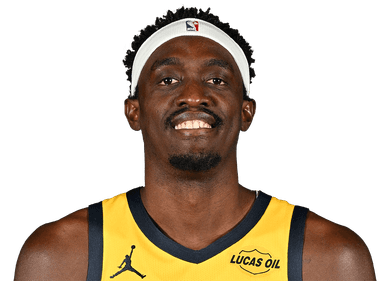
Forward
Pascal Siakam
Guard plan
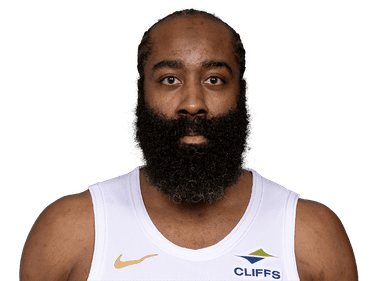
Guard
James Harden
Guard plan
Related guides
Frequently asked questions
How do you guard a player who is bigger than you?+
Play lower with your chest angled to take away the middle, absorb the catch with your body instead of your hands, and push the catch a step farther from the rim. The goal is to make the finish later and harder, not to block the shot.
How do you guard a faster player?+
Give a cushion so speed can't blow by you, stay attached to the hip, and beat them to the spot instead of racing them. Steering them toward help turns their speed into a disadvantage.
How do you stop fouling on defense?+
Keep your hands back and contest vertically, get to your defensive position early so you're not recovering late, and absorb contact with your chest. Most fouls come from reaching and late closeouts.
What's the most important defensive habit?+
Taking away the middle. Steering drives baseline or into help is the highest-value individual habit and the foundation of most modern team defenses.
How do you close out without fouling?+
Close out short and high with choppy steps so you can change direction, contest vertically with your hand straight up, and stay grounded on pump-fakes. Swiping down at the shot is what sends shooters to the line.
How do you guard the pick-and-roll?+
First decide the coverage with your big: drop, switch, blitz, or ice. Then communicate it before the screen arrives, get skinny over or under based on the ball-handler's shooting, and take away the ball-handler's strong hand into the coverage.