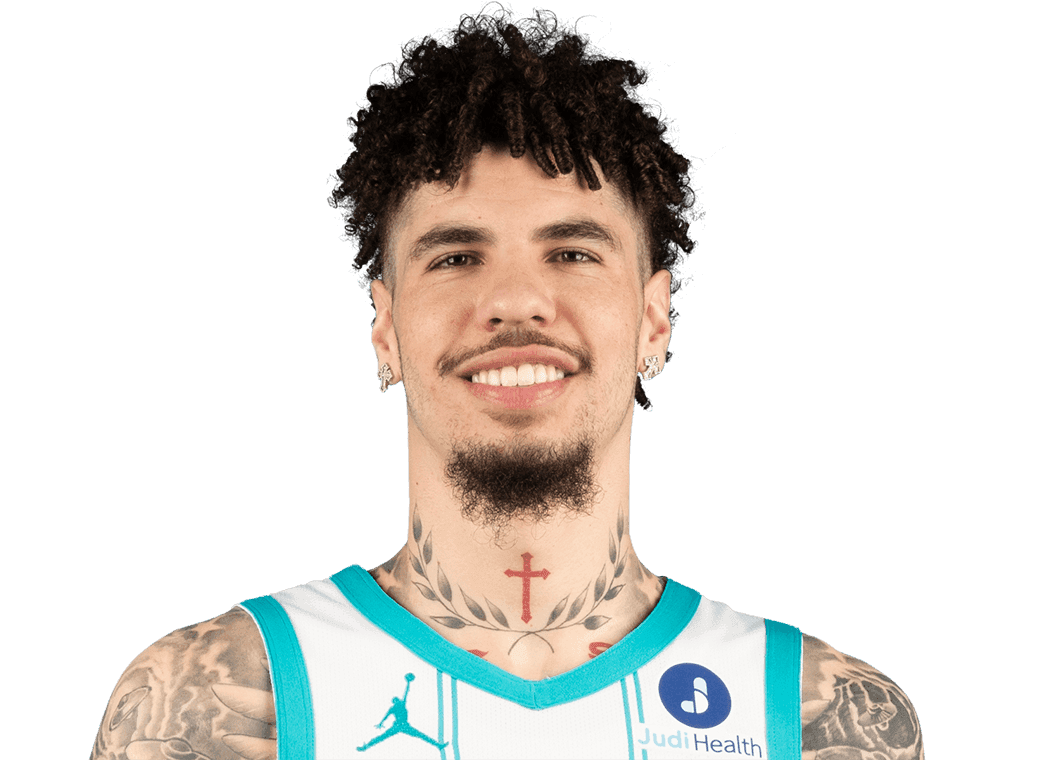
The Timberwolves acquired LaMelo Ball from Charlotte in a package headlined by Naz Reid and a stack of draft picks, and the move resets Minnesota's supporting cast around Anthony Edwards. On paper it is the most talented backcourt Edwards has ever played with. On film, it is a fascinating puzzle of overlapping strengths on one end and shared questions on the other.
Why the offensive fit works For his whole career, Edwards has been asked to create the bulk of his own offense while playing next to bigs like Karl-Anthony Towns and Julius Randle. Ball changes that. He is a genuine lead guard, a pull-up shooter from deep range, and one of the most inventive passers in the league.
That does two things for Edwards. First, it lets him play off the ball, attacking closeouts and getting downhill without having to break down a set defense every possession. Second, it gives him cleaner catch-and-shoot looks, because Ball collapses defenses and kicks. If you have watched how much energy Edwards spends creating from a standstill, you understand why a setup guard next to him is such a big deal. For the full Edwards scouting profile, see how to guard Anthony Edwards.
The spacing math is the other piece. Two guards who both shoot off the dribble stretch the floor horizontally and force defenses to make hard choices in the pick-and-roll. Help one step too far toward either driver and the other punishes you from three.
The defensive question mark The concern with this pairing is on the other end, and it is not subtle. Ball is not a reliable point-of-attack defender. He generates steals by gambling in passing lanes, which is a double-edged trait, and he can be attacked in ball screens by patient guards.
Minnesota knows this, which is why the assignments around him are shifting. Reporting indicates Jaden McDaniels is expected to guard forwards and roam more as an off-ball disruptor rather than serve as the primary on-ball stopper he has been for years. That pushes more perimeter responsibility onto Edwards and Ayo Dosunmu, and it leans harder on Rudy Gobert as the last line at the rim.
The whole structure is a bet: the offensive lift from the backcourt outweighs the defensive load it creates. Whether that math holds up against the best teams in the West is the season's central question.
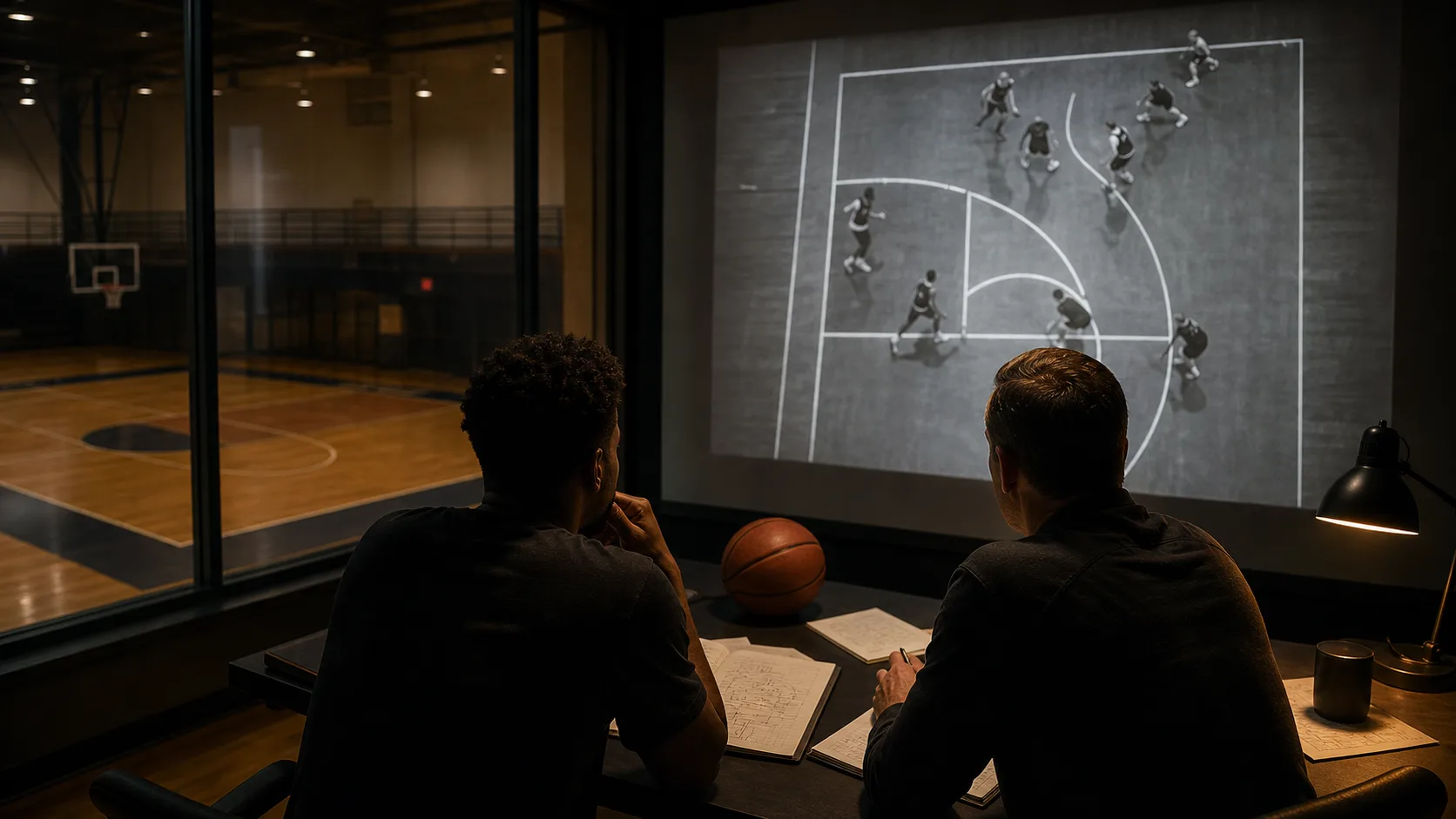
How to defend the two-guard look If you are game-planning against Minnesota, you attack the pairing on both ends. The scouting logic is straightforward.
On offense against them:
- Hunt LaMelo Ball in the pick-and-roll. Make him defend in space and navigate screens rep after rep. He is the weaker on-ball defender of the two, so involve him in the action every time down.
- Attack early in the clock before Minnesota's help structure and Gobert are set.
- Make Edwards work on defense by putting him in actions too, so his energy gets split between guarding and carrying the offense.
On defense against them:
- Run both guards off the three-point line. Their pull-up shooting is the engine, so the priority is turning jumpers into drives.
- Funnel those drives into Gobert. Wall the paint and make them finish over length instead of getting to the rim clean.
- Kill transition. This is where Ball and Edwards are most dangerous, so your shot selection and floor balance are the first line of defense.
Force Minnesota to execute in the half court, against a set defense, and you take away the pace and space that make the backcourt special. If you want a coverage plan for a specific Wolves lineup, you can ask HoopBrief or build one with the free scouting tool.
What to watch as the pairing develops A few markers will tell you whether this works. Watch Edwards' shot profile: more catch-and-shoot and downhill attempts, fewer contested step-backs, is the sign the fit is clicking. Watch how often opponents target Ball on switches and in ball screens, because that will be the nightly test. And watch the non-Gobert minutes, where the defense has the least margin for error.
The talent is not in doubt. Two perimeter creators who both shoot, pass, and bend defenses will score. The season comes down to whether Minnesota can build enough structure around Ball's defense to keep the offense from being a trade-off instead of an upgrade. For deeper matchup breakdowns like this one, browse the blog or compare full scouting reports.