The blockbuster is done, and it is the rare swap that reshapes two contenders at once. Below is the scouting version, not the salary-cap version: what actually changes when these players walk on the floor, and the coverage plan a staff would build to defend the new Philadelphia wing pairing.
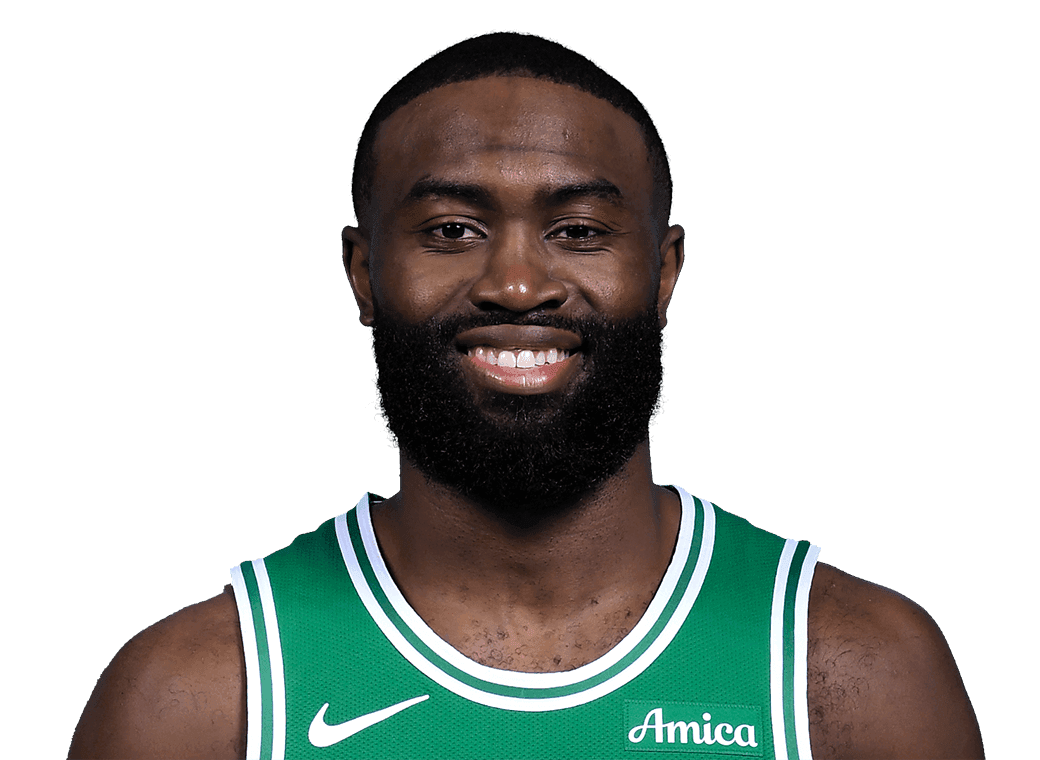
What the 76ers become on offense Philadelphia now has three initiators who thrive attacking downhill. Maxey is one of the fastest guards in the league with the ball, a true 0-to-60 threat who punishes any gap and shoots a live-dribble three. Brown, the 2024 Finals MVP and a five-time All-Star, is a powerful straight-line driver and one of the best transition scorers alive. Add Embiid as a high-post and short-roll hub, plus VJ Edgecombe's athleticism on the wing, and you have a roster built to generate rim pressure from multiple angles.
The tension is spacing. Maxey and Brown both live in the same real estate: the middle third of the floor, attacking the rim. Neither is a pure standstill shooter who thrives waiting in the corner. Whoever does not have the ball has to become a cutter and a relocation shooter, and that is the swing skill for Philadelphia's ceiling. If they take turns instead of sharing, the offense hums. If they crowd each other, a disciplined defense can wall off the paint and make the second and third options settle.
Brown is best guarding him one-on-one before he loads up. When he gets a runway in transition or a live-dribble downhill angle, he is close to unstoppable. Force him into the half court, into a set defense, and into his weaker left hand, and his efficiency drops. That is the whole plan in a sentence.
How to guard the Maxey and Brown pairing Start with the ball screen, because that is where both players hurt you. Against Maxey, the drop coverage has to be higher than normal. Sit too deep and he pulls up from the logo or splits the gap with his speed. The big should be at the level of the screen or in a soft show, funneling him into a wall while a low man tags any roll. The goal is to make Maxey a floater shooter, not a rim finisher or a deep pull-up shooter.
Against Brown, the coverage flips. He is a bully driver, not a pull-up marksman, so you can go under or soft-drop and dare him to shoot off the catch. The key detail is angle. Brown strongly prefers going right and finishing with power. Set your feet to steer him left, meet him early in the drive before he gathers speed, and keep a help defender ready on the strong-side elbow to absorb the bump. Do not let him build a head of steam.
A few rules a staff would emphasize:
- Never help off Maxey on the weak side. He relocates and lets it fly the instant you dig.
- Wall the middle. Both players are worse attacking baseline into a set help defender than attacking downhill middle.
- Live with contested long twos. Make the third-best shot on the possession the one you concede.
- Match a physical, sturdy wing on Brown and a quick, low guard on Maxey, then avoid switching them onto each other's man.
You can study the specific counters each player leans on in our how to guard Jaylen Brown and how to guard Tyrese Maxey breakdowns.
What the Celtics become with Paul George Boston moved a high-usage scorer for a lower-usage, higher-efficiency wing plus draft capital. That is a fit-and-flexibility trade. George gives the Celtics a switchable defender who can guard multiple positions and a catch-and-shoot threat who does not need the ball to matter, which is exactly the profile you want next to Jayson Tatum as the focal point.
With Tatum working back from an Achilles injury, George also functions as a hedge. He can carry perimeter scoring load on nights Tatum is managed, and he slides comfortably next to Derrick White and Payton Pritchard in lineups that prioritize shooting and defense over raw shot creation. Boston's offense becomes more egalitarian and more switch-heavy on defense, with George and Tatum as interchangeable big wings.
The scouting concern is durability and shot-creation volume in a playoff grind. If a series bogs down and Boston needs someone other than Tatum to generate a bucket late, George is a step down from prime Brown as a self-creator. Boston is betting the defensive versatility and the picks are worth that tradeoff.
The matchup that decides the season When these two teams meet, watch the wing possessions in the half court. Philadelphia wants Brown and Maxey attacking a scrambling defense. Boston wants George and Tatum switching everything and forcing the Sixers into contested jumpers over set defenders. The Sixers eliminated the Celtics in the 2026 playoffs, and this trade is both sides trying to win the rematch on their own terms.
For a coaching staff, the takeaway is simple. Against Philadelphia, the game plan is to keep two downhill attackers out of the paint and make the non-ball wing beat you as a shooter. Against Boston, it is to attack George and Tatum in space before their switch defense gets set. Everything else, the rotations, the tagging, the help angles, flows from those first principles.
If you want the same level of matchup detail on any player or lineup in this trade, ask HoopBrief a direct question, or run a specific pairing through the free scouting tool and get the coverages, tendencies and counters laid out like a coaching-staff report.