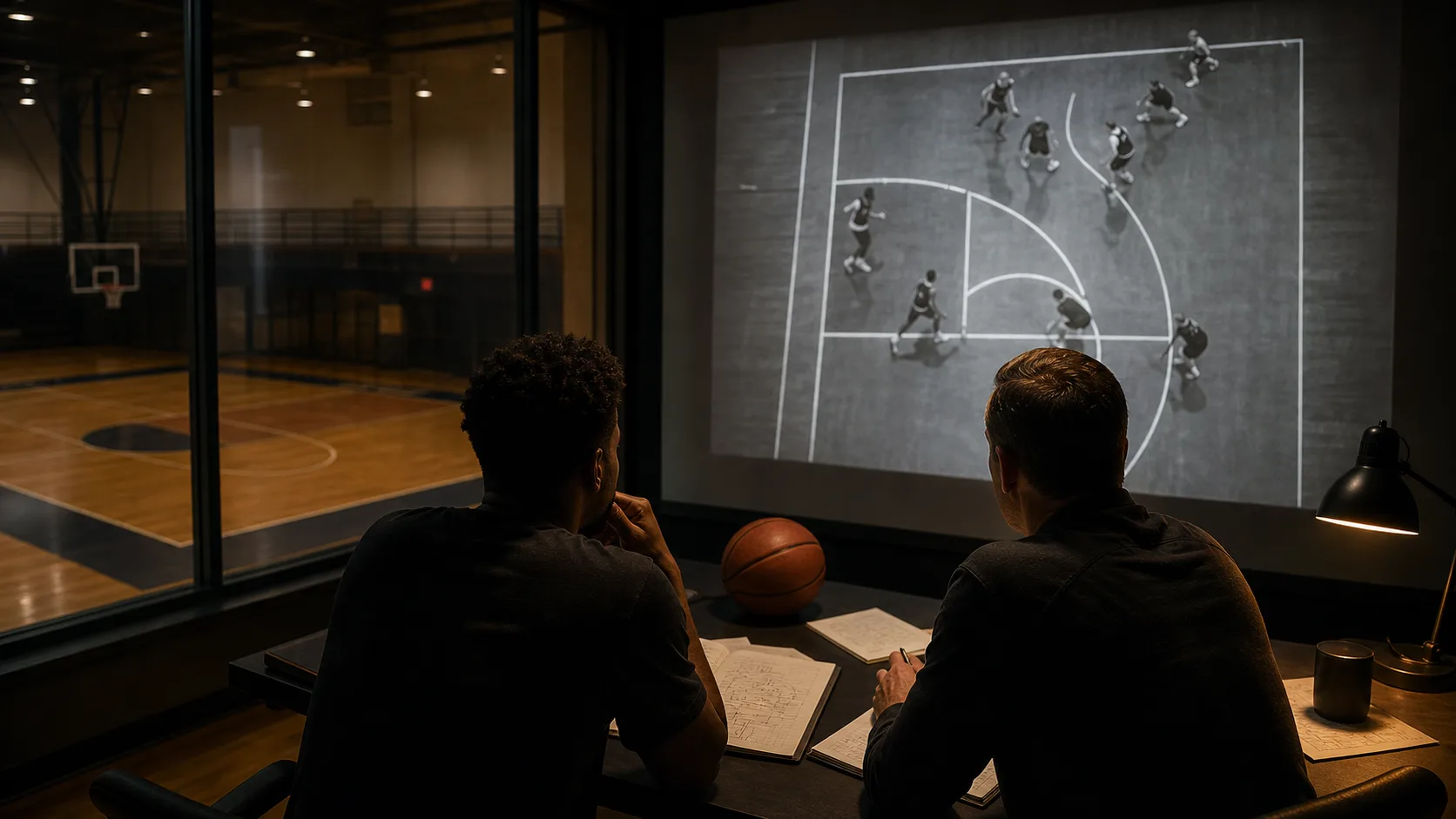
The offseason did not tweak the East, it rewired it. For years the conference ran through Milwaukee's Giannis and Boston's Tatum-Brown pairing. Both are gone. Giannis is a Miami Heat player, Brown is a Sixer, LeBron James joined him in Philadelphia, and Paul George is in Boston. If you are building scouting reports for next season, almost every marquee series has a new script. Here is how the pieces fit and where the edges are.
Which teams got better in the Eastern Conference?
Miami and Philadelphia made the two biggest talent gains. Miami added Giannis Antetokounmpo, giving Erik Spoelstra a two-way superstar to anchor an already elite defensive and cultural infrastructure. Philadelphia added both Jaylen Brown, via the trade that sent Paul George to Boston, and LeBron James in free agency, projecting a loaded starting five. Boston retooled rather than upgraded, and Milwaukee stepped back into a rebuild after dealing Giannis.
The tiering matters for how you prepare. Miami and Philadelphia are the new must-beat opponents, so their tape deserves the deepest study, using the process in how to read NBA defensive coverages on film. Everyone else in the East is now measuring themselves against those two.
How do you scout the new-look contenders?
Each new roster has a distinct pressure point. The table below is the one-line scout for the four teams the moves reshaped.
| Team | New core | Biggest strength | Where to attack |
|---|---|---|---|
| Miami Heat | Giannis, Spoelstra's system | Rim pressure, defense, transition | Half-court spacing, force jumpers |
| Philadelphia 76ers | Maxey, Edgecombe, Brown, LeBron, Embiid | Shot creation, size, experience | Embiid's health, usage overlap |
| Boston Celtics | Tatum, Paul George | Two-way wing size, shooting | Tatum's return form, rim protection |
| Milwaukee Bucks | Tyler Herro, Turner, youth | Perimeter shooting | Rim defense, point-of-attack |
For the deeper reports on the two headliners, see the how to defend Giannis on the Heat breakdown and the Jaylen Brown on the 76ers scouting report. The through-line is that talent moved, but so did the questions: Miami has to solve spacing, Philadelphia has to solve health and shot distribution, Boston has to solve Tatum's return.
Worked example: attacking the Sixers' three-initiator problem
Philadelphia's projected five of Maxey, Edgecombe, Brown, LeBron, and Embiid has five MVP and Finals MVP awards between its stars, but three of those players want the ball with a live dribble. That is your opening. Defensively, do not spread yourself thin trying to stop everyone equally. Pick the initiator you can live with beating you and take the other two out of rhythm.
The concrete read: when LeBron and Brown share the floor, sit in a scheme that keeps Embiid off the offensive glass and forces the ball into the hands of whichever star is cold that night, then load help off the weakest spacer in the lineup. If Embiid sets a ball screen for Maxey, drop your center and wall the paint, betting that a crowded Philadelphia half court produces one-more passing that stalls rather than flows, because only one of three ball-dominant stars can operate at a time. You are turning their embarrassment of riches into a spacing and rhythm problem. Building that exact multi-star game plan is what HoopBrief's scouting reports are designed to generate.
What does the shakeup mean for the rest of the East?
The middle of the conference just got more winnable. With Milwaukee rebuilding and Boston retooling, the teams outside the top tier have a clearer path to home-court and to stealing a playoff series, provided they can match up with Miami's physicality and Philadelphia's shot creation. The reset also means less scouting certainty: brand-new cores take time to gel, so early-season tape will be noisy and the smart staffs will re-scout these teams in December once the rotations settle.
For players and younger coaches trying to understand why front offices made these bets, the logic ties back to fit and value over raw talent, covered in how front offices evaluate player value and the broader 2026 NBA offseason lessons for young players. The East is no longer a two-team story. It is a genuine three-way race with a soft middle, and the teams that scout the new looks fastest will bank the early wins.